

Composite materials have become a cornerstone in various industries owing to their unique properties, such as high strength - to - weight ratio, corrosion resistance, and design flexibility. However, the successful performance of composite materials often hinges on the ability to effectively bond different components together. This is where adhesion promoters come into play. As a leading adhesion promoter supplier, I'm excited to share how adhesion promoters work on composite materials.
Understanding Composite Materials
Composite materials are made up of two or more constituent materials with significantly different physical or chemical properties. When combined, they create a material with characteristics distinct from the individual components. For example, in a fiber - reinforced polymer composite, the fibers (such as carbon or glass) provide high strength and stiffness, while the polymer matrix (like epoxy or polyester) holds the fibers in place and transfers loads between them.
The adhesion between the fibers and the matrix is crucial. Poor adhesion can lead to delamination, where the layers of the composite separate from each other, or decreased mechanical properties, reducing the overall performance and lifespan of the composite structure.
How Adhesion Promoters Function
Chemical Bonding
One of the primary ways adhesion promoters work is by facilitating chemical bonding between different materials in the composite. They typically contain functional groups that can react with the surfaces of both the fiber and the matrix. For instance, some adhesion promoters have silane groups. Silanes can hydrolyze in the presence of moisture to form silanol groups. These silanol groups can then react with hydroxyl groups on the surface of glass fibers through a condensation reaction, forming strong covalent bonds.
On the other hand, the non - silanol part of the silane molecule can react with the polymer matrix. For example, in an epoxy - based composite, the organic part of the silane can react with the epoxy resin during the curing process. This dual reactivity creates a chemical bridge between the fiber and the matrix, enhancing the adhesion significantly.
Surface Modification
Adhesion promoters can also modify the surface properties of the materials in the composite. Some materials may have very smooth or inert surfaces, which are not conducive to good adhesion. Adhesion promoters can increase the surface roughness at the molecular level or change the surface energy. By increasing the surface roughness, the contact area between the fiber and the matrix is enlarged, which in turn increases the mechanical interlocking between them.
Changing the surface energy helps to improve the wetting of the matrix on the fiber surface. A material with a high surface energy is more likely to be wetted by a liquid (in this case, the polymer matrix). Adhesion promoters can adjust the surface energy of the fiber to match that of the matrix, allowing the matrix to spread more evenly over the fiber surface and form a better bond.
Improving Compatibility
In many composite systems, the fiber and the matrix may have different chemical natures, which can lead to poor compatibility. Adhesion promoters act as compatibilizers. They can have segments that are compatible with the fiber and other segments that are compatible with the matrix.
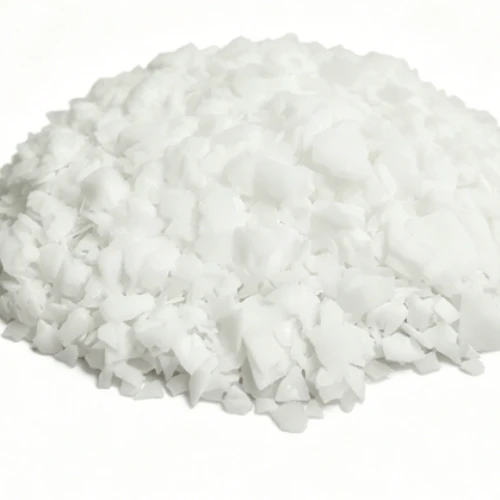
For example, in a rubber - fiber composite, rubber has a very different chemical structure compared to many types of fibers. An adhesion promoter like Resorcinol for Rubber Bonding can interact with both the rubber and the fiber. Resorcinol can react with the rubber during the vulcanization process and also form hydrogen bonds or other types of interactions with the fiber surface. This improves the overall compatibility between the rubber and the fiber, strengthening the adhesion between them.
Applications in Different Composite Systems
Aerospace Composites
In the aerospace industry, lightweight composite materials are used extensively to reduce the weight of aircraft and spacecraft. Carbon fiber - reinforced polymers (CFRP) are a common choice. Adhesion promoters are crucial for ensuring the strong bonding between the carbon fibers and the epoxy matrix.
The high - performance requirements in aerospace mean that even a small amount of reduced adhesion can lead to catastrophic failures. Adhesion promoters based on advanced chemical compounds are used to create extremely strong and durable bonds that can withstand the harsh conditions of flight, including high temperatures, mechanical stresses, and pressure differentials.
Automotive Composites
Automotive manufacturers are increasingly turning to composite materials to improve fuel efficiency and vehicle performance. Glass fiber - reinforced plastics (GFRP) are widely used in automotive components such as body panels, bumpers, and interior parts. Adhesion promoters play an important role in enhancing the bonding between the glass fibers and the polymer matrix.
They help to improve the mechanical properties of the composites, such as impact resistance and stiffness. Additionally, they can improve the durability of the composites in automotive environments, which may include exposure to chemicals, moisture, and temperature variations.
Construction Composites
In the construction industry, composite materials are used for various applications, including structural elements, facades, and insulation. For example, fiber - reinforced concrete is a composite material that combines the strength of concrete with the flexibility and tensile strength of fibers (such as steel or synthetic fibers). Adhesion promoters are used to improve the bond between the fibers and the concrete matrix.
This enhances the overall performance of the composite, making it more resistant to cracking and improving its long - term durability. The ability to control the adhesion between the different components in construction composites is essential for ensuring the safety and reliability of buildings and infrastructure.
The Role of Our Adhesion Promoters
As an adhesion promoter supplier, we offer a wide range of products tailored to different composite systems. Our Rubber Bonding Agent Resorcinol is designed to provide excellent adhesion in rubber - fiber composites. It has been carefully formulated to interact effectively with both the rubber and the fiber, ensuring a strong and long - lasting bond.
We understand that different composite applications have different requirements. That's why we conduct in - depth research and development to constantly improve our products. Our adhesion promoters are rigorously tested to meet the highest quality standards, whether it's for high - performance aerospace composites or cost - effective automotive applications.
Contact Us for Purchasing
If you're involved in the production of composite materials and are looking for high - quality adhesion promoters, we would be delighted to engage in discussions with you. We can offer technical expertise and customized solutions based on your specific composite system and application requirements.
References
- Mallick, P. K. (2007). Fiber - Reinforced Composites: Materials, Manufacturing, and Design. CRC Press.
- Kinloch, A. J. (1987). Adhesion and Adhesives: Science and Technology. Chapman and Hall.
- Bikerman, J. J. (1970). Handbook of Adhesion. Reinhold Publishing Corporation.