

Polychloroprene rubber, commonly known as neoprene, is a synthetic rubber that's been around for ages and is super versatile. As a supplier of this amazing material, I've seen firsthand the wide range of uses it has in the rubber molding industry. So, let's dive into what makes polychloroprene rubber so special and how it's used.
Automotive Industry
One of the biggest industries that rely on polychloroprene rubber is the automotive sector. It's used in a bunch of different parts because it can handle a variety of conditions. For example, it's great for making gaskets and seals. These parts need to be able to withstand high temperatures, oil, and chemicals, and polychloroprene rubber fits the bill perfectly. It has excellent resistance to oil and heat, which means it won't break down easily over time.
Another use in the automotive world is for hoses. Whether it's coolant hoses or fuel hoses, polychloroprene rubber provides the flexibility and durability needed. It can bend and twist without cracking, and it's resistant to the fluids that flow through it. This helps to ensure that the vehicle runs smoothly and safely.
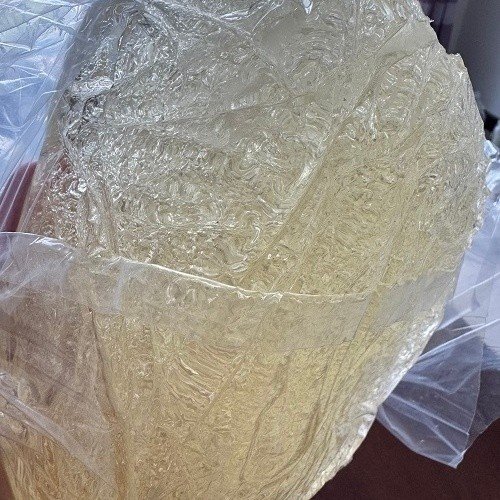
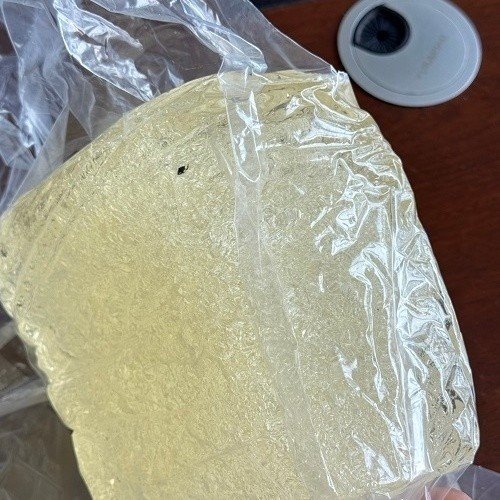
We offer different types of polychloroprene rubber for the automotive industry, like Polychloroprene Rubber SN242. This grade is known for its high tensile strength and good oil resistance, making it ideal for those tough automotive applications.
Construction Industry
In the construction industry, polychloroprene rubber plays a crucial role. It's used for making weatherstripping, which helps to keep buildings energy - efficient. Weatherstripping made from polychloroprene rubber can seal gaps around doors and windows, preventing air and water from leaking in. It's flexible enough to fit snugly into different spaces, and it has good resistance to UV rays and ozone, so it won't degrade quickly when exposed to the elements.
Another construction application is for expansion joints. These joints are used to allow buildings to move slightly due to temperature changes or seismic activity. Polychloroprene rubber expansion joints can absorb the movement and prevent damage to the structure. They're also resistant to water and chemicals, which is important in a construction environment.
Our Chloroprene Rubber CR322 is a great choice for construction projects. It has good weather resistance and is easy to mold, making it suitable for creating custom - shaped weatherstripping and expansion joints.
Electrical Industry
The electrical industry also benefits from polychloroprene rubber. It's used for making insulation materials for wires and cables. The rubber provides a good electrical insulation barrier, which helps to prevent electrical shocks and short circuits. It also has good mechanical properties, so it can protect the wires from physical damage.
In addition, polychloroprene rubber is used for making gaskets and seals in electrical enclosures. These enclosures need to be sealed to protect the electrical components from dust, moisture, and other contaminants. The rubber's resistance to chemicals and its flexibility make it an ideal material for this purpose.
Polychloroprene Rubber BR9000 is one of our products that's well - suited for electrical applications. It has excellent electrical insulation properties and good mechanical strength.
Marine Industry
When it comes to the marine industry, polychloroprene rubber is a top choice. It's used for making boat fenders, which protect boats from damage when they come into contact with docks or other boats. The rubber's ability to absorb impact and its resistance to water and salt make it perfect for this application.
It's also used for making seals and gaskets in marine engines and equipment. These parts need to be able to withstand the harsh marine environment, including saltwater, high humidity, and extreme temperatures. Polychloroprene rubber can handle all these conditions without deteriorating.
Our Polychloroprene Rubber CR232 has excellent water and chemical resistance, making it a great option for marine applications.
Consumer Goods
Polychloroprene rubber is also found in many consumer goods. For example, it's used in the production of wetsuits. The rubber's flexibility and insulation properties make it ideal for keeping the wearer warm in cold water. It also provides good resistance to abrasion, so the wetsuit lasts longer.
It's also used in the manufacturing of sports equipment, like grips for tennis rackets or handles for tools. The rubber provides a comfortable and non - slip grip, which enhances the user's experience.
Polychloroprene Rubber SN237T is a great option for consumer goods applications. It has good flexibility and a soft feel, making it suitable for products that come into direct contact with the user.
In conclusion, the uses of polychloroprene rubber in the rubber molding industry are vast and varied. From automotive parts to consumer goods, this synthetic rubber offers unique properties that make it indispensable. If you're in the market for high - quality polychloroprene rubber for your rubber molding projects, don't hesitate to reach out. We're here to help you find the right grade of rubber for your specific needs. Let's start a conversation about your requirements and see how we can work together to get the best results.
References
- Morton, M. (Ed.). (2001). Rubber Technology. Kluwer Academic Publishers.
- Brydson, J. A. (1999). Rubber Chemistry. Oxford University Press.