

Phenolic resin is a well - known and widely used synthetic polymer with a long history of production and application. As a phenolic resin supplier, we are often asked about the various properties of phenolic resin, including its acoustic insulation property. In this blog, we will delve into the details of the acoustic insulation capability of phenolic resin.
The Basics of Phenolic Resin
Phenolic resins are formed through the reaction between phenol and formaldehyde. They can be classified into two main types: resol and novolac. Resol phenolic resins are produced under alkaline conditions, with an excess of formaldehyde, and can cure on their own when heated. Novolac phenolic resins, on the other hand, are made under acidic conditions with an excess of phenol and require a curing agent, usually hexamethylenetetramine, to harden.
The versatile nature of phenolic resin has led to its widespread use in many industries. It is commonly employed in the manufacturing of molded products, plywood adhesives, insulation materials, and friction materials, among others.
Acoustic Insulation Principles
Before discussing the acoustic insulation property of phenolic resin, it's essential to understand the basic principles of acoustic insulation. Sound is a mechanical wave that travels through a medium, such as air, solids, or liquids. When sound waves encounter a material, several things can happen: they can be reflected off the surface of the material, absorbed by the material, or transmitted through it.
A good acoustic insulation material should minimize the transmission of sound waves. This can be achieved through two main mechanisms: absorption and reflection. Absorption occurs when the sound energy is converted into other forms of energy, usually heat, within the material. Reflection happens when the sound waves bounce off the surface of the material back into the source medium.
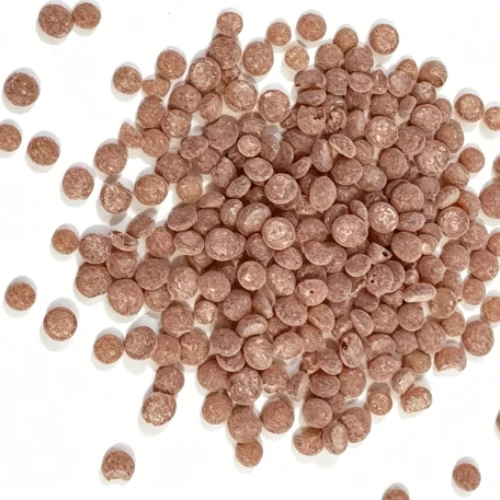
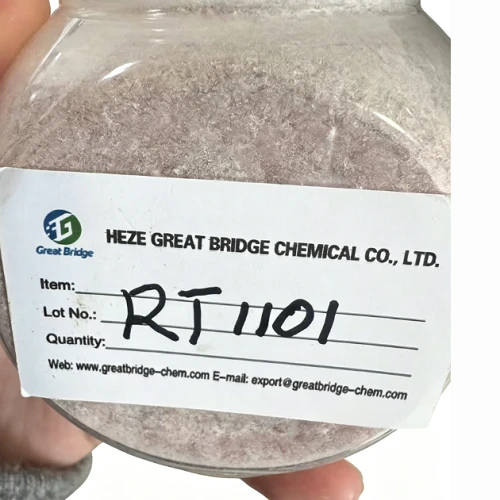
Acoustic Insulation Property of Phenolic Resin
Micro - structure and Absorption
Phenolic resin, especially when used in insulation materials, often has a porous structure. The pores within the resin can trap sound waves. When sound waves enter these pores, they cause the air inside the pores to vibrate. The friction between the vibrating air and the walls of the pores converts the sound energy into heat energy. This conversion is the key mechanism for sound absorption in phenolic resin - based materials.
For example, in some phenolic foam insulation products, the closed - cell structure provides multiple internal reflections of sound waves. These reflections further enhance the absorption process as the sound energy is dissipated gradually within the material.
Density and Sound Transmission Loss
The density of phenolic resin also plays an important role in its acoustic insulation performance. Generally, a higher - density phenolic resin can block more sound transmission. A denser material has more mass per unit volume, which makes it more difficult for sound waves to pass through.
However, it's a balance. If the density is too high, the material may lose some of its sound - absorbing capabilities because the porosity may decrease. Therefore, manufacturers often optimize the density of phenolic resin - based acoustic insulation materials to achieve the best combination of sound absorption and sound blocking.
Applications of Phenolic Resin in Acoustic Insulation
Building Construction
In the construction industry, phenolic resin - based insulation materials are used for acoustic insulation in walls, floors, and ceilings. They can significantly reduce the transmission of external noise, such as traffic noise and street chatter, into buildings. For example, phenolic foam boards installed in the interior walls of a residential building can create a quieter living environment.
Automotive Industry
In automobiles, phenolic resin composites are used in various parts to reduce engine noise, road noise, and wind noise. They can be found in dashboard insulation, door panels, and under - hood components. These materials not only improve the acoustic comfort inside the vehicle but also contribute to the overall quality of the driving experience.
Industrial Equipment
Many industrial machines generate a large amount of noise during operation. Phenolic resin - based acoustic insulation can be used to enclose these machines, reducing the noise pollution in the workplace. This is crucial for protecting the hearing of workers and meeting environmental noise regulations.
Our Phenolic Resin Products for Acoustic Insulation
As a phenolic resin supplier, we offer a range of high - quality phenolic resin products that are suitable for acoustic insulation applications.
- Rubber Grade Phenolic Resin 2201: This product has excellent adhesion properties and can be used in combination with rubber materials to create acoustic insulation components.
- Phenolic Resin 3102: It is a versatile phenolic resin with good thermal stability and acoustic insulation performance, making it ideal for building insulation applications.
- Phenolic Resin 1101: This grade of phenolic resin can be processed into various forms, such as foams and boards, for use in automotive and industrial acoustic insulation solutions.
- Phenolic Resin 2201: It has a balanced set of properties, including acoustic insulation, which makes it suitable for a wide range of applications.
- Phenolic Resin R - 50D: This resin has been specifically formulated for high - performance acoustic insulation requirements, offering superior sound - blocking and absorption capabilities.
Contact Us for Procurement
If you are in the market for high - quality phenolic resin products for acoustic insulation or any other applications, we are here to assist you. Our team of experts can provide you with detailed product information, technical support, and customized solutions to meet your specific needs. We invite you to contact us to start a procurement discussion and explore the potential of our phenolic resin products for your projects.
References
- Billmeyer, F. W. (1984). Textbook of Polymer Science. Wiley - Interscience.
- Hurd, C. D. (1927). Phenolic Resins. Reinhold Publishing Corporation.
- Morton, M. (1986). Introduction to Polymer Science. The University of Akron Press.