

Cobalt salts play a pivotal and multi - faceted role in adhesives, particularly in those designed for the rubber industry, especially in applications related to steel cord - rubber bonding in tires. As a reputable cobalt salt adhesive supplier, I am well - versed in the science and practical implications of these chemicals in the adhesive field.
Chemical and Mechanistic Basics
At a fundamental chemical level, cobalt salts are transition metal salts. They possess unique electronic configurations that allow them to participate in a variety of chemical reactions. In the context of adhesives, cobalt salts act as adhesion promoters. When incorporated into an adhesive formulation, they facilitate the formation of strong chemical bonds between different materials, such as rubber and steel cords in tires.

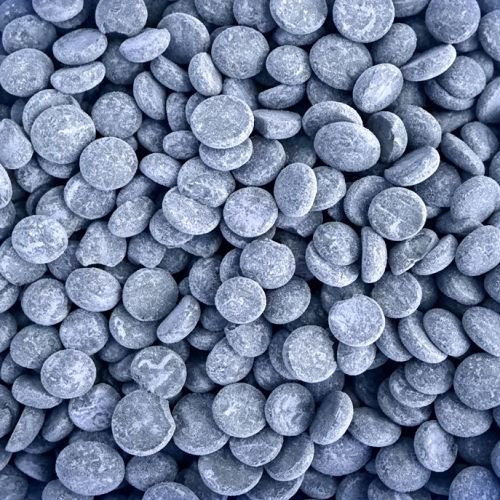
The bonding mechanism is complex and involves several steps. First, cobalt salts can react with sulfur in the rubber compound. Sulfur is a crucial component in rubber vulcanization, a process that cross - links rubber molecules to improve its mechanical properties. Cobalt salts interact with sulfur to form cobalt - sulfur complexes. These complexes can then react with the metal surface of the steel cords. For example, the cobalt - sulfur species can undergo a reaction with the iron oxide layer on the steel cord surface. This reaction leads to the formation of a chemical bond between the rubber matrix and the steel cord, which is essential for maintaining the integrity of the tire structure.
Enhancing Adhesive Strength
One of the primary roles of cobalt salts in adhesives is to enhance the adhesive strength between rubber and metal. In tire manufacturing, the bond between the steel cords and the rubber is critical. The steel cords provide the necessary strength and reinforcement to the tire, while the rubber gives the tire its flexibility and grip. A weak bond can lead to delamination, which compromises the safety and performance of the tire.
Cobalt salts can significantly improve the peel strength of the rubber - steel cord bond. Peel strength is a measure of the force required to separate the rubber from the steel cord. Through the chemical bonding mechanism described above, cobalt salts increase the energy required to break the interface between the two materials. Studies have shown that the addition of an appropriate amount of cobalt salt to the adhesive can double or even triple the peel strength compared to adhesives without cobalt salts.
Resistance to Environmental Factors
Another important role of cobalt salts in adhesives is to improve the resistance of the adhesive bond to environmental factors. Tires are constantly exposed to various environmental conditions, such as humidity, heat, and mechanical stress. These conditions can degrade the adhesive bond over time.
Cobalt salts help to enhance the bond's resistance to moisture. Moisture can penetrate the rubber - metal interface and cause corrosion of the steel cords, which weakens the bond. The cobalt - sulfur complexes formed in the adhesive can act as a barrier, preventing water molecules from reaching the steel cord surface. Additionally, cobalt salts improve the bond's thermal stability. High temperatures can accelerate the degradation of the adhesive bond, but the chemical bonds formed with the help of cobalt salts are more resistant to thermal stress, ensuring the long - term performance of the tire under different temperature conditions.
Different Types of Cobalt Salts and Their Applications
There are several types of cobalt salts commonly used in adhesives, each with its own advantages and specific applications.
Cobalt Neodecanoate
Cobalt Neodecanoate is a popular choice in the adhesive industry. It has good solubility in organic solvents and rubber compounds. This solubility allows for easy incorporation into the adhesive formulation. Cobalt neodecanoate provides excellent adhesion properties, especially in radial tires. It promotes a uniform and strong bond between the steel cords and the rubber, improving the overall performance and durability of the tire.
Cobalt Boroacylate For Steel Cord Tire
Cobalt Boroacylate For Steel Cord Tire is specifically designed for use in steel cord - rubber bonding in tires. It has a unique chemical structure that enhances the interaction between the rubber and the steel cord. This type of cobalt salt can improve the dynamic properties of the tire, such as its resistance to fatigue under repeated deformation. It also helps to reduce heat generation during tire operation, which is beneficial for tire longevity.
Cobalt Stearate
Cobalt Stearate is another type of cobalt salt used in adhesives. It acts as a lubricant and a release agent in addition to its role as an adhesion promoter. In adhesive formulations, it can improve the dispersion of other components and prevent the adhesion of the adhesive to the manufacturing equipment. This property allows for more efficient production processes in tire manufacturing.
Cobalt Boroacylate
Cobalt Boroacylate is similar to the cobalt boroacylate for steel cord tires but may have different purity levels or chemical modifications depending on the application. It generally provides good adhesion and corrosion - resistance properties. It can be used in various rubber - metal bonding applications, not just limited to tires, such as in industrial rubber products that require a strong bond between rubber and metal components.
Quality and Consistency
As a cobalt salt adhesive supplier, we understand the importance of quality and consistency in the products we offer. The performance of cobalt salts in adhesives is highly dependent on their chemical purity and physical properties. We ensure that our cobalt salts are produced under strict quality control measures. This includes controlling the synthesis process to achieve the desired chemical composition, as well as rigorous testing to verify the purity, particle size, and solubility of the products.
Consistency is also crucial. Any variation in the quality of the cobalt salts can lead to inconsistent adhesive performance. In tire manufacturing, this can result in defective products. We adhere to high - standard manufacturing processes to ensure that each batch of our cobalt salts meets the same quality specifications. This allows our customers to rely on our products for consistent and high - quality adhesive bonding in their production processes.
Professional Technical Support
In addition to providing high - quality cobalt salt adhesives, we offer professional technical support to our customers. Our team of experts has in - depth knowledge of the chemistry and applications of cobalt salts in adhesives. We can assist customers in selecting the most suitable cobalt salt product for their specific needs. Whether they are in the tire manufacturing industry or other rubber - metal bonding applications, we can provide advice on the appropriate dosage, formulation, and processing conditions.
We also offer troubleshooting services. If our customers encounter any problems with the adhesive performance, such as poor bonding strength or reduced resistance to environmental factors, our technical team can analyze the situation and provide solutions. This comprehensive support helps our customers to optimize their production processes and ensure the quality of their final products.
Contact for Procurement and Collaboration
If you are in the market for high - quality cobalt salt adhesives, we invite you to contact us for procurement and collaboration opportunities. Our products are known for their excellent performance, reliability, and consistency. We are committed to providing you with the best solutions for your adhesive needs. Whether you are a large - scale tire manufacturer or a small - scale rubber product producer, we can meet your requirements and provide you with the support you need. Reach out to us to discuss your specific needs and start a successful partnership.
References
- Andrews, J. M. (2015). "The Chemistry of Rubber - Metal Bonding". Rubber Chemistry and Technology, 88(2), 123 - 145.
- Brown, S. R. (2017). "Cobalt Salts in Adhesive Applications: A Review". Journal of Adhesion Science and Technology, 31(15), 1678 - 1695.
- Clark, T. P. (2019). "Enhanced Adhesive Properties of Rubber - Steel Cord Bonds with Cobalt Salts". Tire Technology International, 45(3), 78 - 85.