

In the field of rubber manufacturing, the ability of rubber to adhere to other materials is a crucial property that determines the performance and applications of rubber products. Rubber accelerators, as essential additives in the rubber vulcanization process, play a significant role in influencing this adhesion. As a leading rubber accelerators supplier, we have in - depth knowledge and experience in this area, and in this blog, we will explore how rubber accelerators affect the adhesion of rubber to other materials.
The Role of Rubber Accelerators in Vulcanization
Before delving into the impact on adhesion, it's necessary to understand the fundamental role of rubber accelerators in the vulcanization process. Vulcanization is a chemical process that transforms raw rubber into a more durable material through the formation of cross - links between rubber polymers. Rubber accelerators speed up this reaction, reducing the time and temperature required for vulcanization. This not only improves production efficiency but also affects the physical and chemical properties of the vulcanized rubber.
When rubber is in the process of vulcanization, the cross - linking degree and the type of cross - links formed are crucial factors. Different rubber accelerators can lead to different cross - linking structures. For example, sulfenamide - type accelerators like Rubber Accelerators CBS provide a good balance between scorch safety and curing rate. During vulcanization, they help to form relatively uniform cross - links in the rubber matrix. These cross - links can affect the surface energy and flexibility of the rubber, which in turn influence its adhesion to other materials.
Influence on Surface Energy
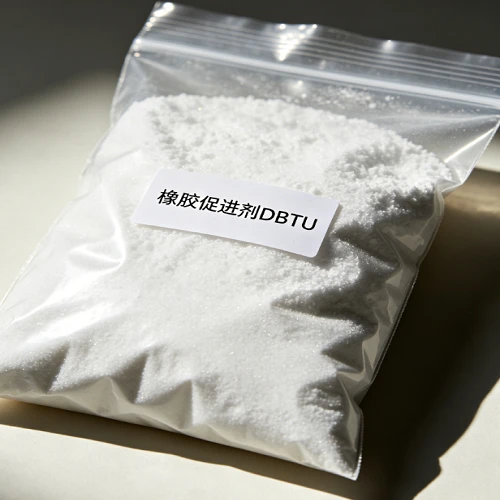
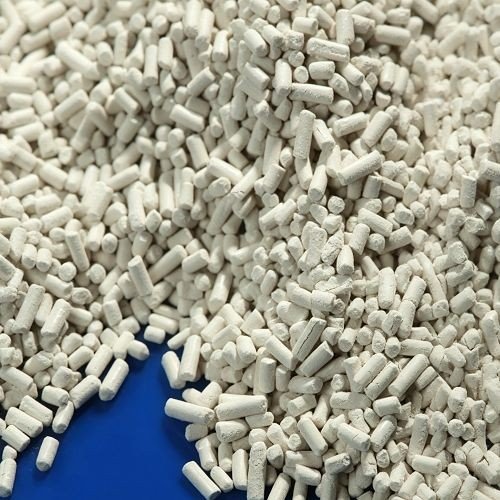
The surface energy of rubber is a key factor in determining its adhesion to other substances. Rubber accelerators can alter the surface energy of rubber during vulcanization. Thiourea - type accelerators such as Rubber Accelerators DBTU and Rubber Accelerators ETU can change the chemical composition of the rubber surface. They may introduce polar groups or modify the distribution of functional groups on the rubber surface.
A higher surface energy of rubber generally leads to better wetting and adhesion to other materials. When the surface energy of rubber is close to that of the substrate to which it needs to adhere, the intermolecular forces between them are stronger. For instance, if we are considering bonding rubber to a metal surface, a rubber with a suitable surface energy can form stronger van der Waals forces or chemical bonds with the metal molecules. Some rubber accelerators can help increase the surface polarity of rubber, which enhances its interaction with polar substrates.
Impact on Cross - Link Density
The cross - link density of rubber also has a profound impact on its adhesion. Higher cross - link density generally makes the rubber more rigid and less flexible. Thiuram - type accelerators like Rubber Accelerators TBzTD can promote a relatively high cross - link density during vulcanization.
When the cross - link density is too high, the rubber may become too stiff to conform to the surface irregularities of the substrate. This can reduce the contact area between the rubber and the substrate, resulting in poor adhesion. On the other hand, if the cross - link density is too low, the rubber may not have sufficient mechanical strength to maintain a strong bond. Therefore, the choice of rubber accelerator is crucial to achieving an optimal cross - link density for good adhesion.
Chemical Interaction with Substrates
Some rubber accelerators can participate in chemical reactions with the surface of the substrate to which the rubber is to be bonded. Guanidine - type accelerators such as Rubber Accelerators DPG can form chemical bonds or interact with certain functional groups on the substrate surface.
For example, when bonding rubber to a material with hydroxyl groups on its surface, a rubber accelerator may react with these hydroxyl groups to form covalent or hydrogen bonds. This chemical interaction significantly enhances the adhesion strength. In addition, accelerators can also affect the solubility of sulfur in the rubber matrix during vulcanization, which in turn influences the formation of sulfur - containing bonds between the rubber and the substrate.
Effects of Accelerator Concentration
The concentration of rubber accelerators in the rubber compound is another important factor. An appropriate concentration is necessary to achieve the desired adhesion properties. If the concentration of the accelerator is too low, the vulcanization process may be incomplete, resulting in a rubber with poor mechanical properties and weak adhesion.
Conversely, an excessive concentration of the accelerator can lead to over - vulcanization. Over - vulcanized rubber may have a high cross - link density, which can cause shrinkage and reduced flexibility, ultimately compromising the adhesion. Therefore, precise control of the accelerator concentration is essential in rubber compounding to optimize the adhesion of rubber to other materials.
Selecting the Right Accelerator for Adhesion
Selecting the appropriate rubber accelerator for a specific adhesion application requires careful consideration of several factors. First, the type of substrate must be taken into account. Different substrates have different surface chemistries and physical properties. For example, bonding rubber to a plastic substrate requires a different accelerator than bonding it to a textile material.
Second, the processing conditions, such as temperature and time, also affect the choice of accelerator. Some accelerators are more suitable for high - temperature vulcanization processes, while others work better at lower temperatures.
Finally, the performance requirements of the final rubber product also play a role. If the rubber product needs to have high adhesion strength under dynamic conditions, an accelerator that can form a stable cross - link structure with good flexibility may be preferred.
Application in Different Industries
The influence of rubber accelerators on adhesion has far - reaching implications in various industries. In the automotive industry, rubber components such as tires need to have excellent adhesion to the metal beads. The right accelerator can ensure a strong and durable bond, which is crucial for the safety and performance of the tires.
In the construction industry, rubber gaskets and seals are used to prevent leaks and provide insulation. Good adhesion of these rubber components to building materials such as concrete or metal is essential for their effectiveness. Rubber accelerators can help to achieve the required adhesion in these applications.
Conclusion
In conclusion, rubber accelerators have a multi - faceted impact on the adhesion of rubber to other materials. They can affect the surface energy, cross - link density, and chemical interaction of rubber, all of which are critical factors in determining adhesion strength. As a professional rubber accelerators supplier, we understand the complex relationship between accelerators and adhesion. We offer a wide range of high - quality rubber accelerators, including Rubber Accelerators DBTU, Rubber Accelerators TBzTD, Rubber Accelerators ETU, Rubber Accelerators CBS, and Rubber Accelerators DPG, to meet the diverse needs of our customers.
If you are looking for reliable rubber accelerators to improve the adhesion of your rubber products, we are here to help. Our technical team can provide you with professional advice and customized solutions. Contact us today to start a procurement negotiation and take your rubber manufacturing to the next level.
References
- Morton, M. (1995). Rubber Technology. Van Nostrand Reinhold.
- Odian, G. (2004). Principles of Polymerization. Wiley - Interscience.
- Mark, J. E., & Erman, B. (2007). Rubber Elastomers. Springer.