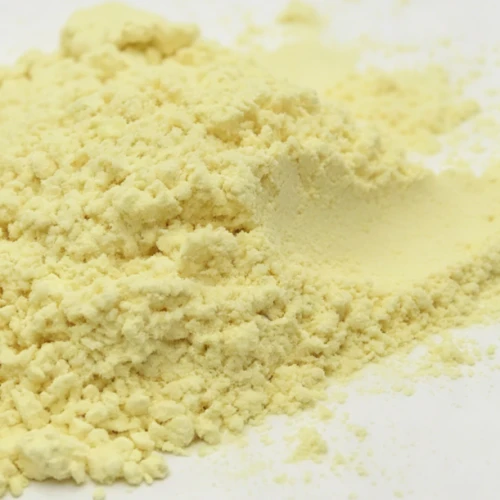
Anti-scorching agent: A substance that prevents premature vulcanization of rubber compounds during processing.
English name: anti-scorching agent; vulcanization retarder. Generally includes nitrosamines (such as N-nitrosodiphenylamine), organic acids (such as benzoic acid, phthalic anhydride, etc.), and thioimides (such as N-cyclohexylthiophthalimide). Commonly used ones include oxalic acid, succinic acid, lactic acid, phthalic anhydride, salicylic acid, benzoic acid, oleic acid, etc., with phthalic anhydride and salicylic acid being the most frequently used. However, these substances affect the physical and mechanical properties of the finished product and should not be used excessively. A new type of anti-scorching agent, CTP (N-cyclohexylthiophthalamide), which has emerged in recent years, has excellent anti-scorching effects. By controlling the dosage, the scorching time can be effectively controlled.