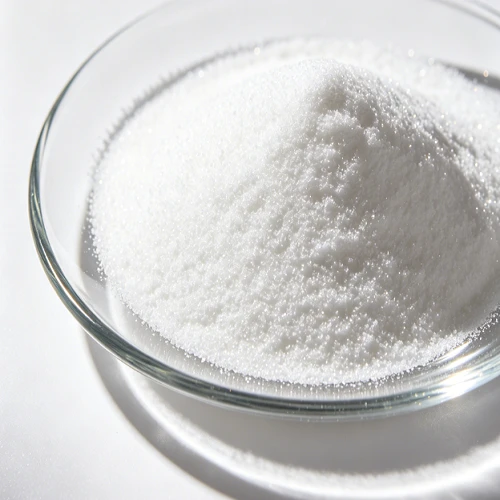
Based on their different components and applications, anti-scorching agents can be divided into two categories: inorganic anti-scorching agents and organic anti-scorching agents.
1. Inorganic Anti-Scorching Agents: Inorganic anti-scorching agents mainly rely on their chemical reactions to prevent or reduce scorching of materials. Common inorganic anti-scorching agents include ferric chloride, ferric oxide, and zinc oxide.
2. Organic Anti-Scorching Agents: Organic anti-scorching agents are complex chemical mixtures, mainly composed of multiple components, and exhibit excellent heat resistance at high temperatures. Organic anti-scorching agents have wide applications, such as in the rubber, paint, plastics, and fiber industries.